
BLOWA: what the first Airvaro prototype taught us
The first Airvaro pressure-testing prototype, the question it was built to answer, what a caravan technician told us, and why it changed the next version.
Short answer: BLOWA was the first Airvaro pressure-testing prototype, which I designed and built myself in mid-2026. It was built to answer one question: could I design and build a caravan pressure-testing system in Australia, with parts from local suppliers, that works as well as or better than the imported gear? The first trial showed it could do the job. A working technician then told me what it would take to be better, and that changed the next version.
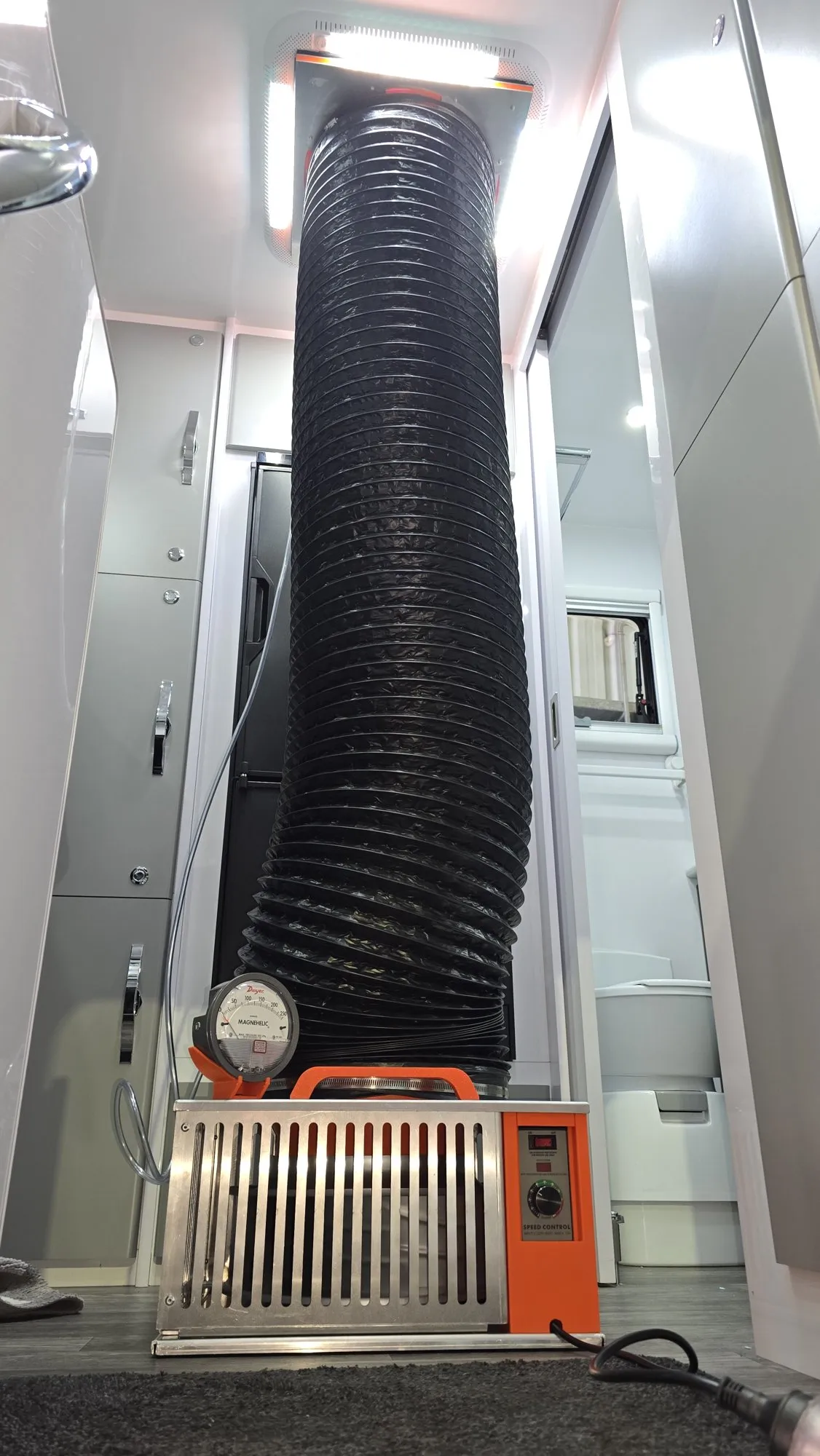
Why build a prototype at all?
Pressurising a caravan through a roof hatch is a long-established method. BLOWA didn’t invent it, and neither did I. What I wanted to know was whether the tool itself could be better for the people who use it every day.
I’d seen the need first-hand. As group operations manager for a seven-dealership caravan network, I saw five of our seven workshops get warranty claims where a pressure tester would have helped. We had one imported unit. Buying four more would have cost around $40,000 once landed, and we couldn’t afford it, so we shipped the one unit back and forth between dealerships. That was a logistical nightmare.
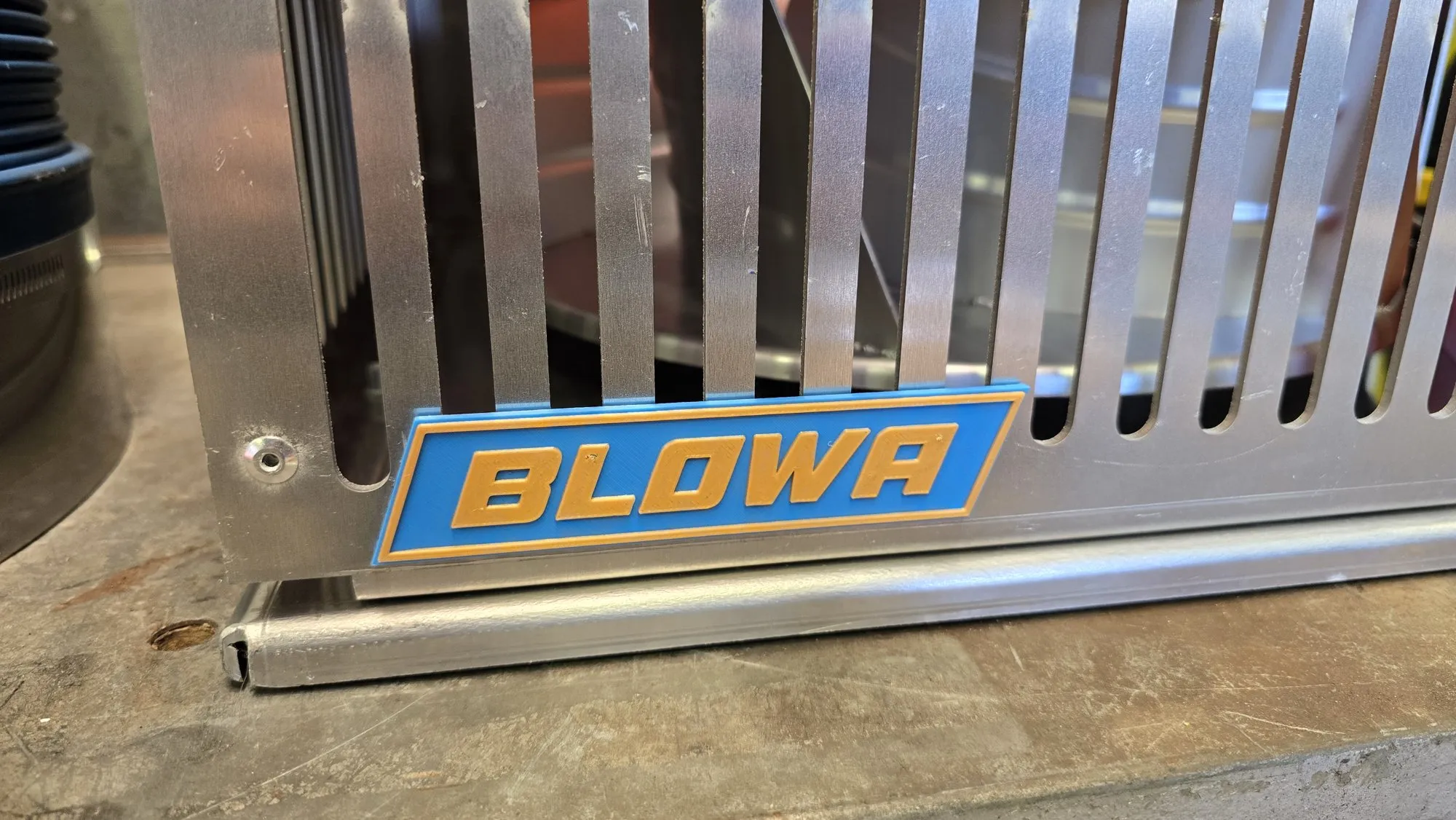
The imported tester worked. But setting it up took longer than a busy technician has, and it couldn’t record a test. So I took on the challenge myself. I sketched my own design on paper, then spent about 10 to 12 weeks, and my own money, building one cheaply to test the idea before spending anything on something polished.
What happened in the first trial?
The first full test was in a caravan in mid-2026. The prototype pressurised the van, held a steady reading, and let me work around the van looking for where air escaped. That’s what it was built to do, and it did it.
It didn’t show that the design was finished. One trial in one van can’t. What it gave me was a working tool to put in front of someone who tests vans for a living.
What did a caravan technician say?
The first workshop to use BLOWA was a working repair workshop in Forest Glen, where it was used on multiple jobs. The workshop also had an imported tester, so the technicians could choose either one.
One technician kept going back to BLOWA. It was much lighter, and he didn’t have to lug around the heavy 110 V to 240 V power converter the imported model needs. In his words: “It’s lighter weight and easier to set up. I’ve been using this on my jobs.” He also said the roof-hatch adapter was easier to fit. My own takeaway was that fewer parts means less fiddling, and fewer parts to go missing.
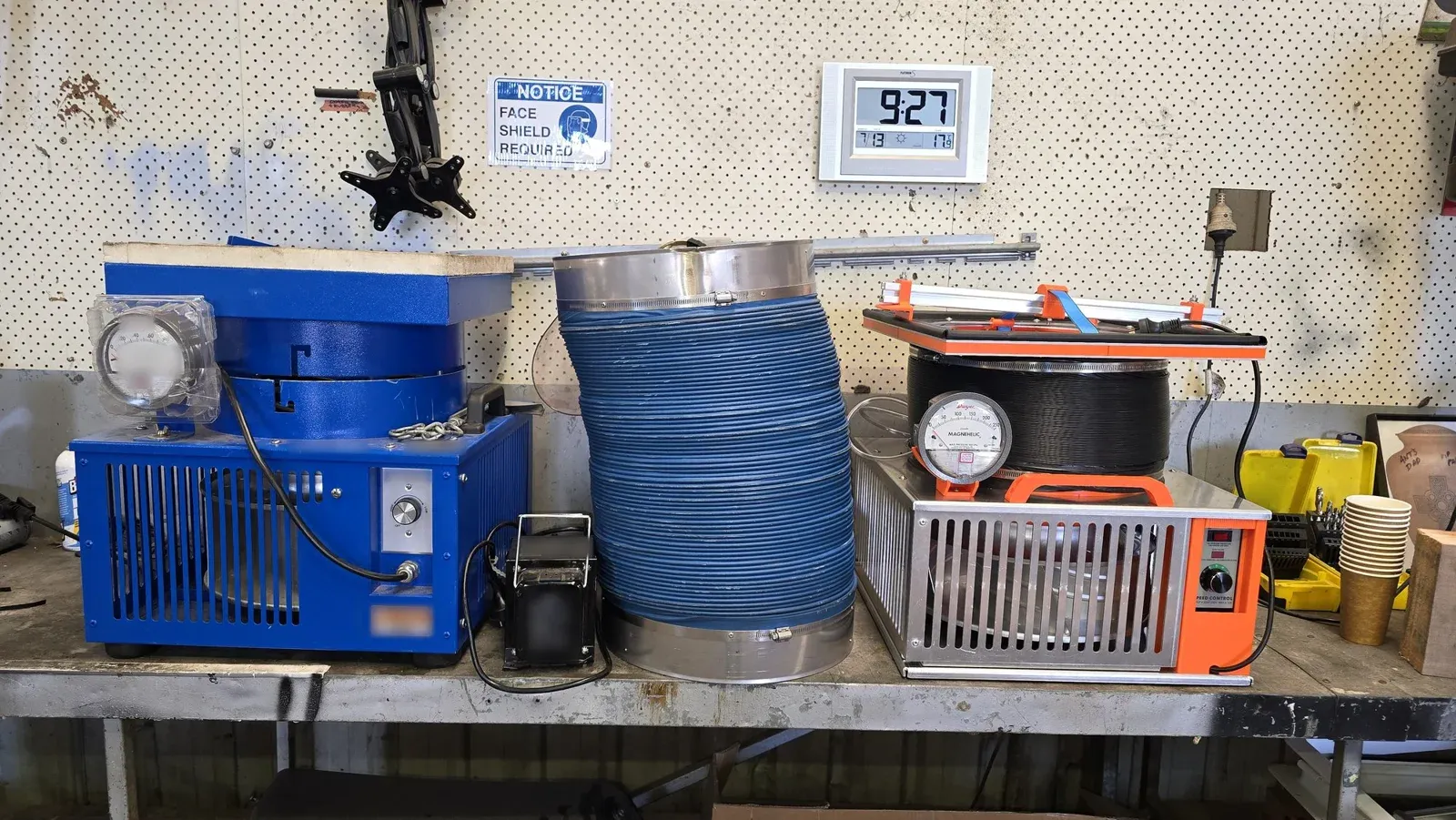
That got me thinking. Technicians are busy. They’ve got jobs lined up and customers ringing for updates. The quicker they can set up, test and get on with the job, the better. A tool that cuts the fiddling is a tool that gets used.
What did the prototype get wrong?
Power. BLOWA ran on 240 V mains, and that turned out to be the biggest hassle:
- Not every workshop has a power point close to where the van is parked.
- Running a lead out the door, or plugging into the van’s own power, means unwinding leads, finding the power point and working out how that van’s power switches on. No two vans are quite the same, and in a busy workshop, time is money.
- A mobile technician at an owner’s home may have no handy power at all.
None of that is about the test. It’s all the annoying stuff around the test, and that’s what slows a technician down.
The fix came from my lawn. I was mowing with an electric mower that runs on two tool batteries, and an hour in I had a light-bulb moment. If two batteries could drive a mower blade through grass for an hour, batteries the same size should be able to run the fan in BLOWA.
What changed because of it?
The lessons from BLOWA went straight into the next version:
- Cordless. The launch unit runs without mains power, so a technician can test at a workshop or at the owner’s home without a lead or generator.
- Lighter, with a stronger hatch fitting. The chassis is lighter than BLOWA’s, and the hatch fitting is built stronger.
- Bevelled corners, ready for padding. BLOWA’s box had sharp, square edges. Setting up in the tight spaces inside a van, one wrong step could knock it into a door or cabinet and take a chunk out or leave a big scratch. The new enclosure has bevelled corners, and padding mounts onto them easily to protect the van’s interior.
- A heavy-duty power isolator switch. Small switches eventually break in a busy workshop or on the road, and if you can’t turn the machine on, you can’t use it.
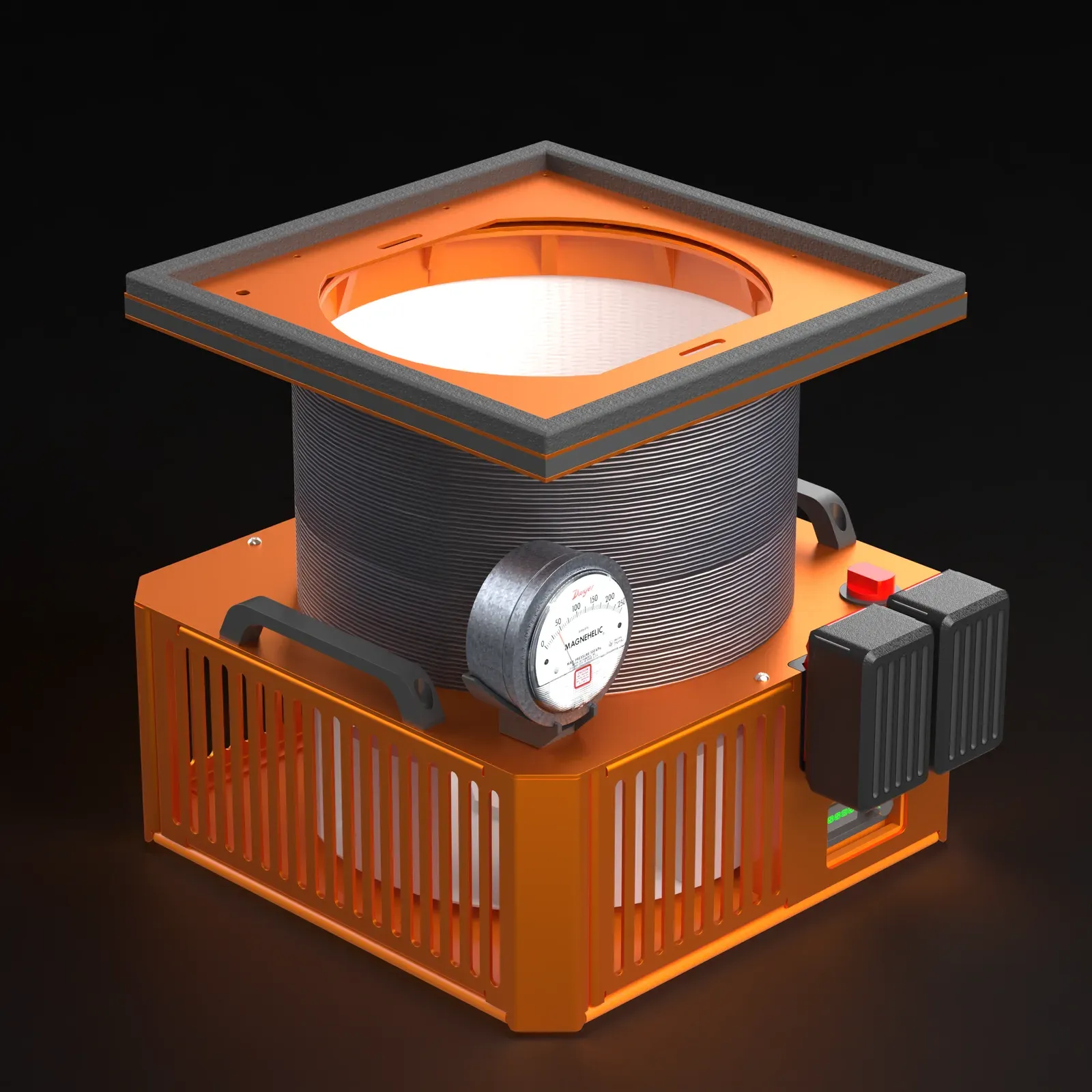
Like BLOWA, the new version is designed and made in Australia.
The other gap BLOWA didn’t fill was the record. A dated report gives the workshop and owner something to refer back to. That’s why I’m building the Airvaro Passport app: free to every workshop, so a technician can send the owner a dated report straight from the bay. It’s coming soon.
Where BLOWA sits now
BLOWA is still working. After Forest Glen it went to a second workshop, in Toowoomba, where it’s stayed and is in regular use. It was never meant to be pretty or sold. It was meant to answer a question cheaply, and to show me what technicians actually need. The answer was less fiddling, no cord, and a proper record of every test.
Jason Potter is the founder of Airvaro. Connect with Jason on LinkedIn.