
ABOUT · FOUNDER
The story behind Airvaro
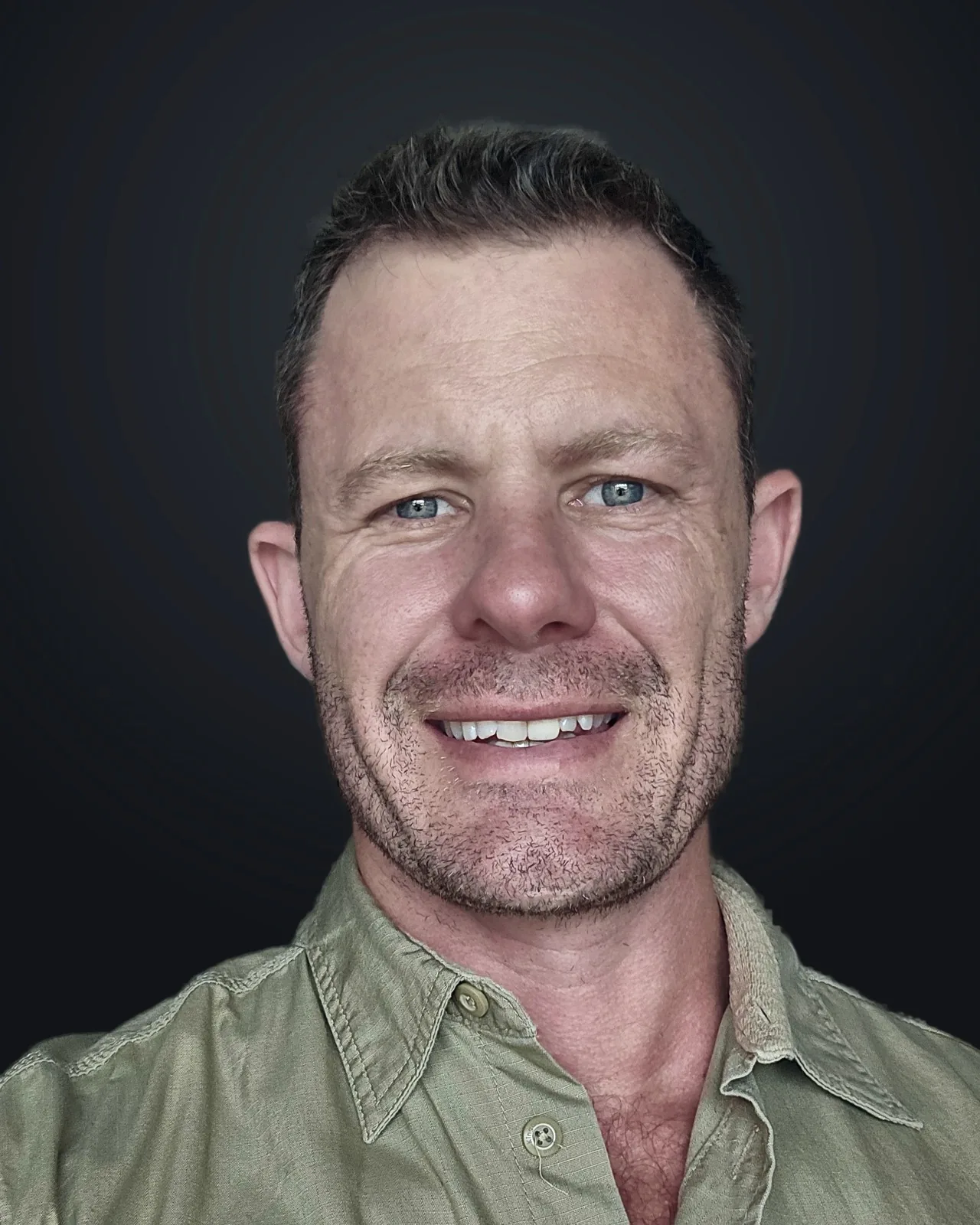
I’m Jason Potter, founder of Airvaro. I live on the Sunshine Coast in Queensland, and I design and build pressure-testing equipment and software for caravan repair workshops.
I come at water ingress from both sides. As a caravan owner, I know what it means to open the door after a trip and wonder what you’ll find. As the operations manager behind seven caravan workshops, I saw what it costs when water gets in, and how hard it can be to find where. Airvaro is built for both: the workshops that do the testing, and the owners who want to know their van is sound.
01 · OWNER
An owner first
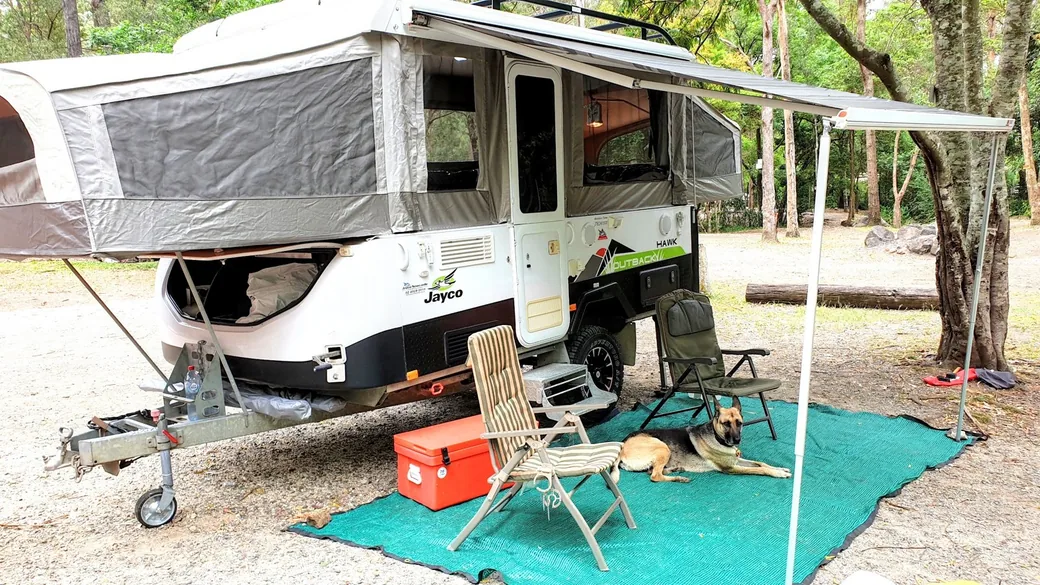
With two babies and a dog, we moved from tents to a camp trailer, then to a Jayco Outback that needed almost no setting up.
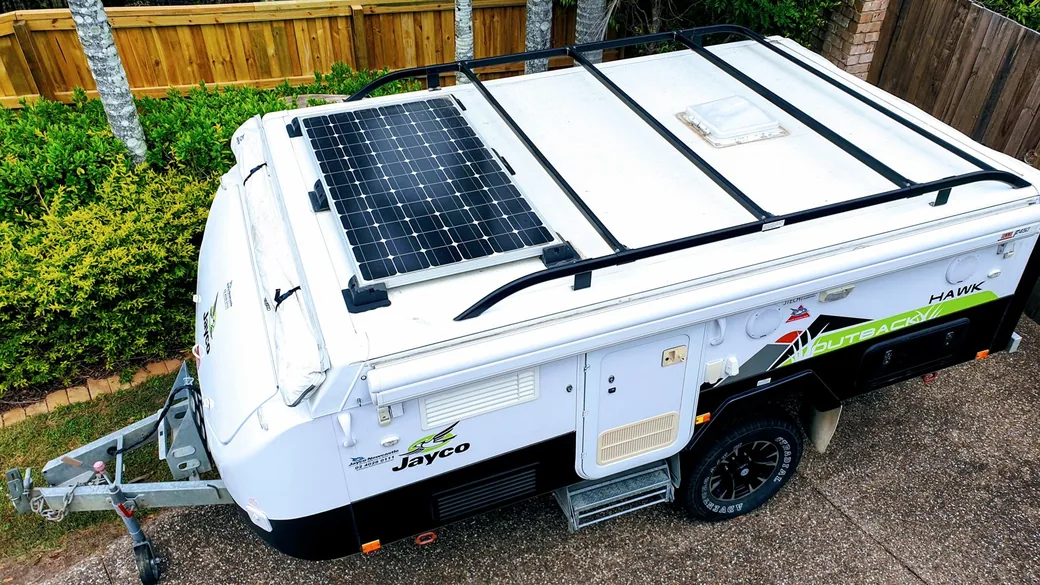
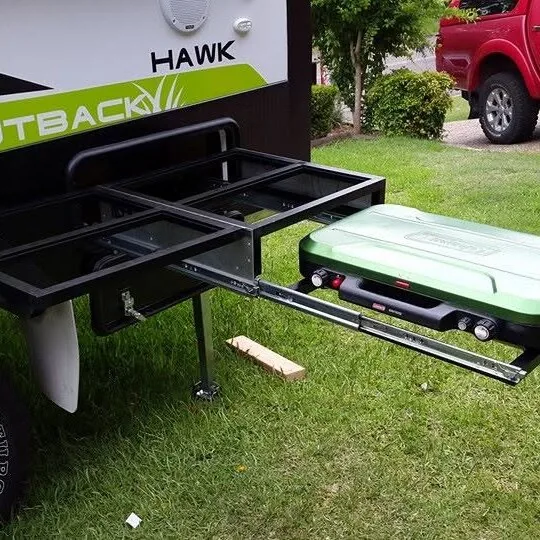
Even then, I found ways to improve it. I mounted our solar panel with specialised adhesive and moulded mounts rather than drilling the roof, avoiding new holes and potential leaks. Before slide-out kitchens were common, I designed and fabricated my own to fit the van’s small boot.
I love caravanning, and I know not every owner has the skills, time or tools to engineer fixes like these. I want them to tow somewhere beautiful, open the door and find no water, no dust and no damage.
02 · INDUSTRY
Inside caravan workshops
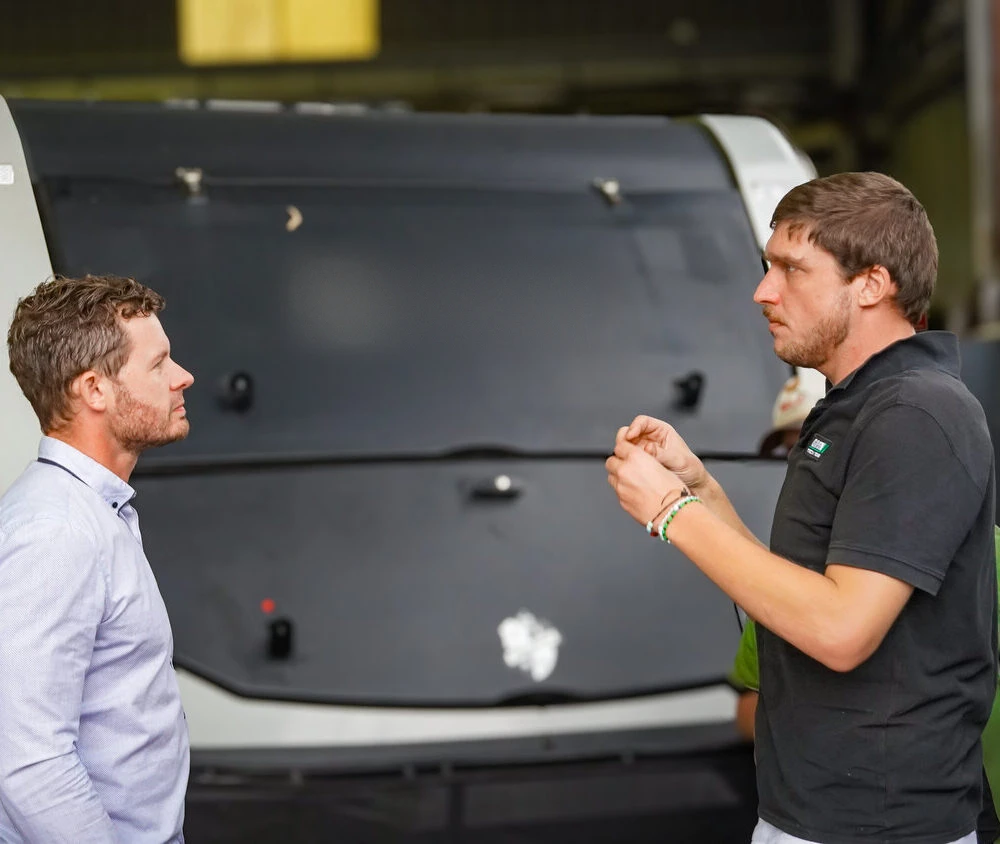
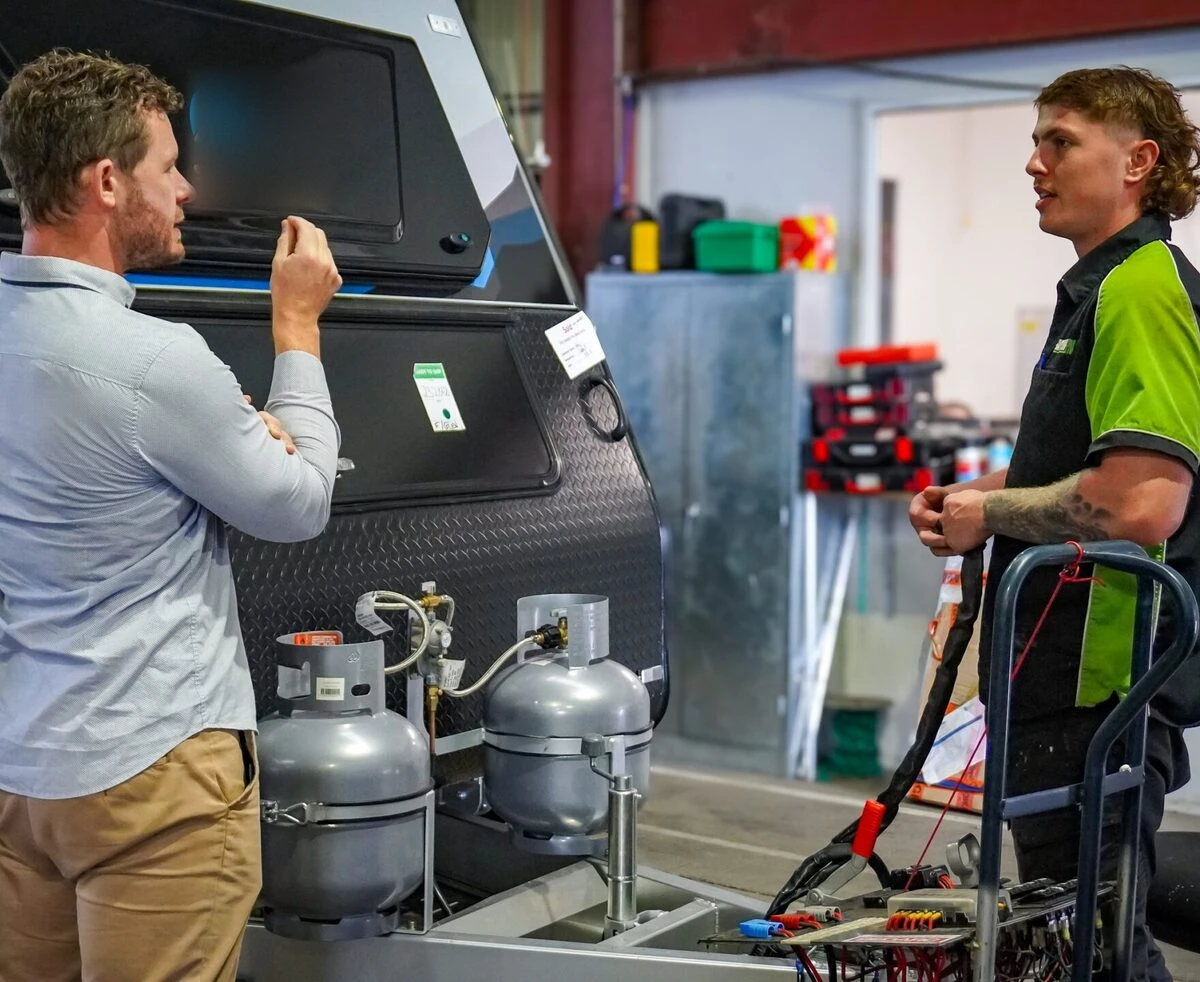
I spent nearly five years with the Green RV group on the Sunshine Coast as Group Operations Manager and Dealership Performance Manager. I built the group’s warranty claims system from the ground up, and the procedures every business in the group followed to handle a claim. The group grew to seven dealerships, each with its own workshop.
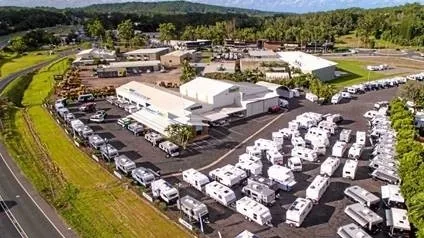
That gave me an unusually broad view of water ingress. However they’re built, caravans share openings for hatches, windows and doors, and joints where the walls meet the floor and roof. No caravan is immune to leaks.
In my experience, ingress repairs were among the most costly jobs in the workshop. Most came in well over $2,000, typically around $5,000 to $6,000, and some went beyond $10,000. That was labour alone, with materials on top. Repairs often took eight to ten weeks. For a problem that can be found early, that’s hard to accept.
03 · HARDWARE
Building hardware
Before caravans, I designed, manufactured and assembled lightweight electric vehicles from the ground up: the motors, the motor controllers and the lithium battery packs, each one validated on specialist test equipment. Designing water-resistant enclosures for expensive electronics taught me how water gets in, and how to keep it out.
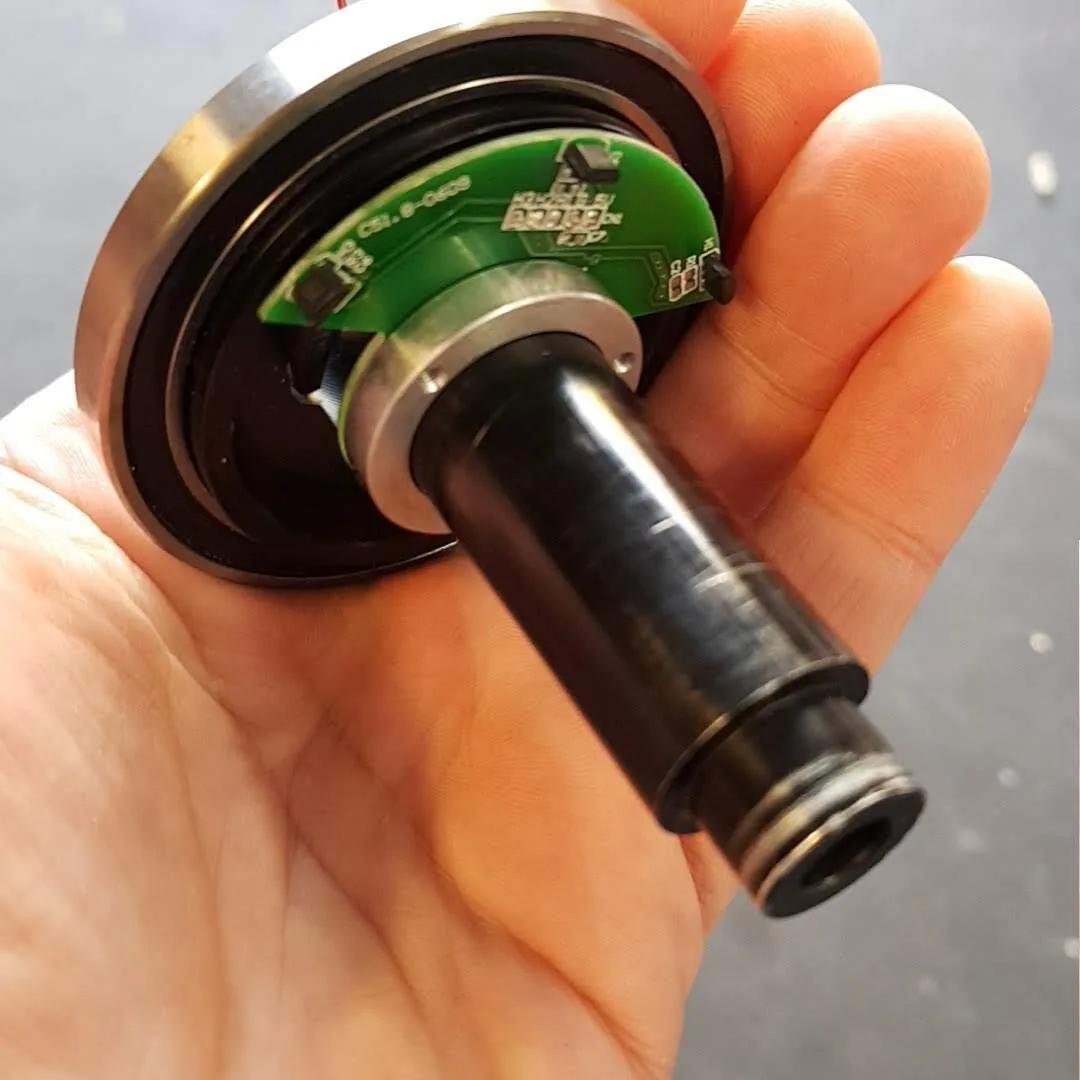
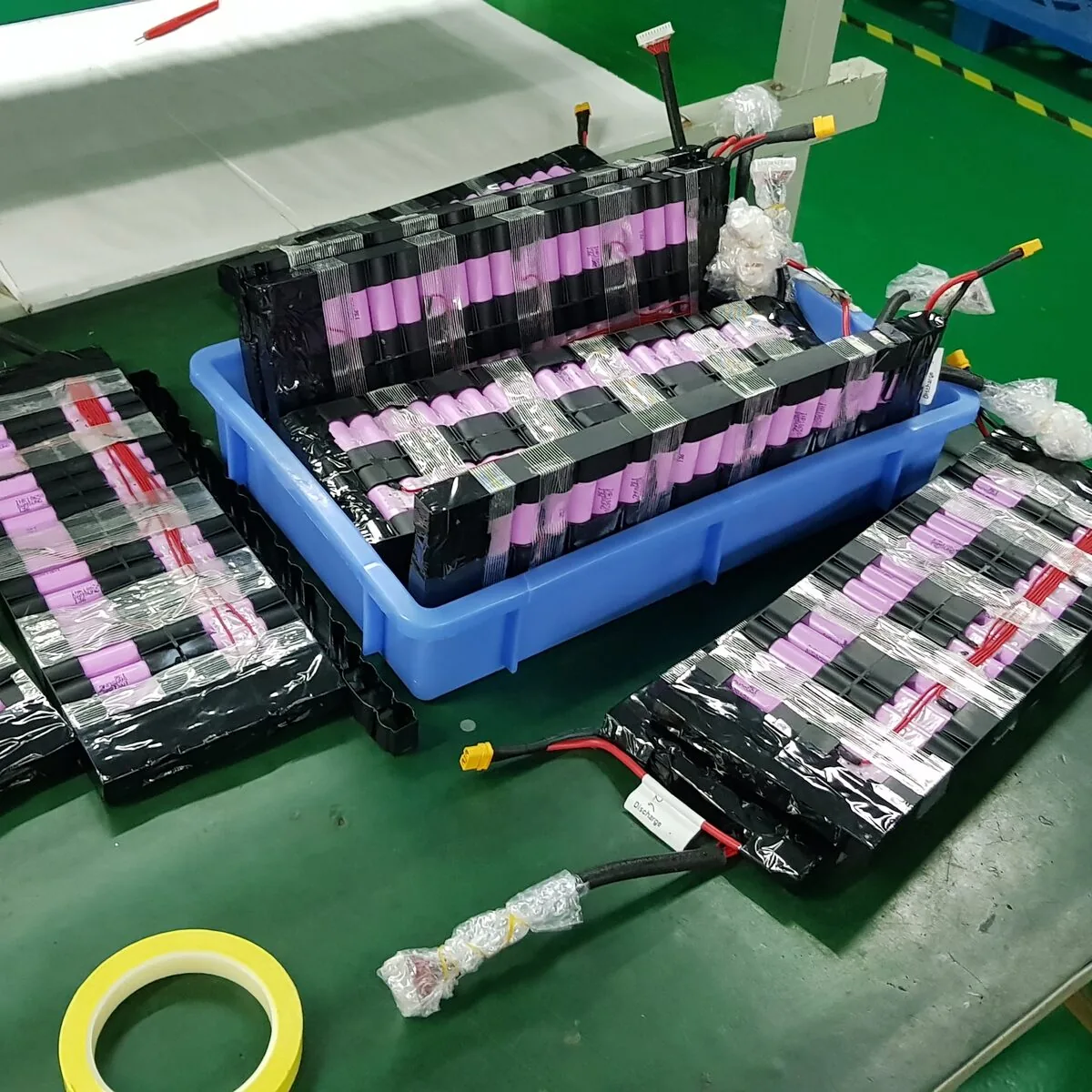
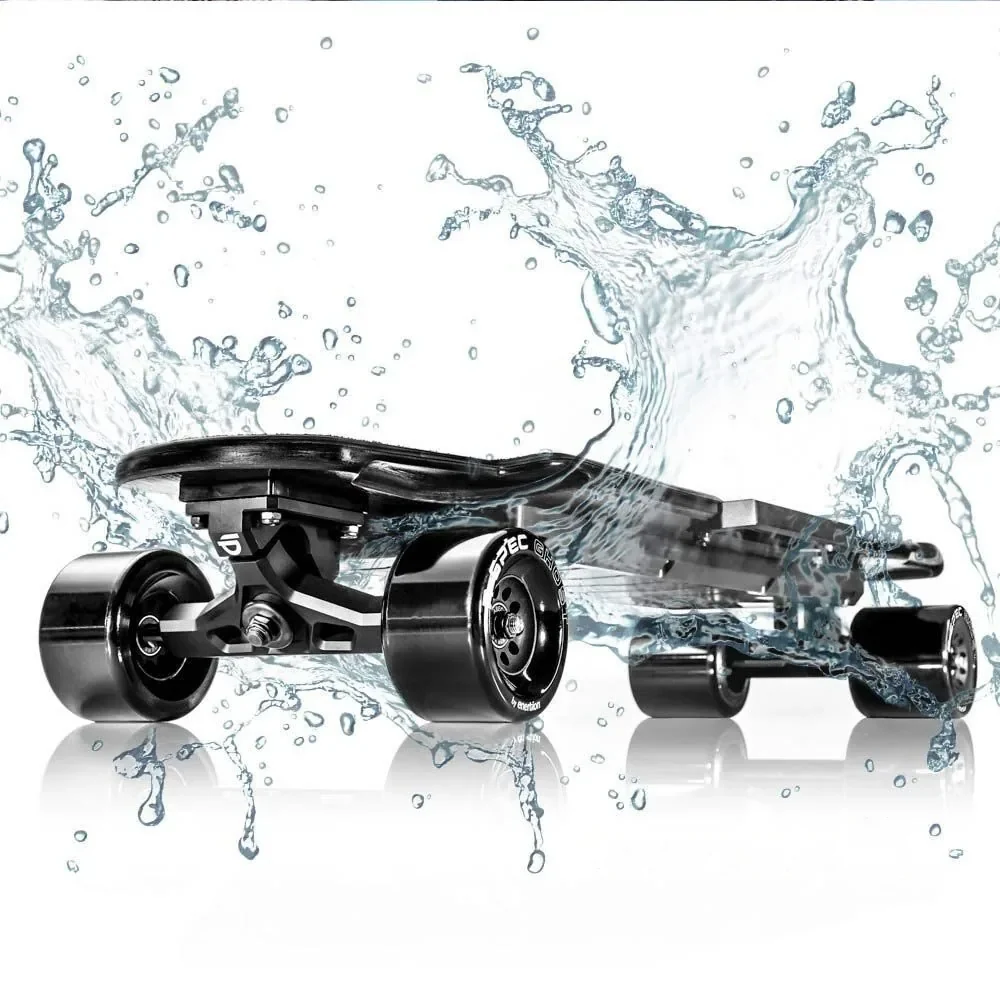
That’s why Airvaro’s equipment runs on batteries and a brushless DC fan. It’s more efficient and lighter than the mains-voltage AC blowers common in imported testers, with equal or better performance, and it needs no voltage converter.
04 · DECISION
Why I started
Starting a business isn’t a decision I took lightly. What settled it was an afternoon reading more than 100 public reviews from Australian owners describing water getting into their vans. Those personal stories of loss were hard to look past.
These are a few of the owners’ own words, taken from their public reviews. They aren’t testimonials for Airvaro. They’re evidence of what water does once it gets in.
"…we have the front half of the van with water damage, we lost all the bedding and the walls have mould showing through the lining and all the timber is swollen."
"Now water escapes between the floor and the cabinetry and the whole van stinks of rotting timber and mould."
"The water leaked from the top roof joins and destroyed the ply walls inside"
"…wet cupboards wet bed front boot completely rotted out…"
I’d heard the same stories at caravan shows, owner meetups and in owners groups. Those conversations stayed with me, and they’re a large part of why Airvaro exists today.
05 · PROTOTYPE
From BLOWA to V2
BLOWA was the first Airvaro prototype. I designed and built it in mid-2026, over 10 to 12 weeks and with my own money, to answer one question: could I design and build a caravan pressure-testing system in Australia, with parts from local suppliers, that works as well as or better than the imported gear?
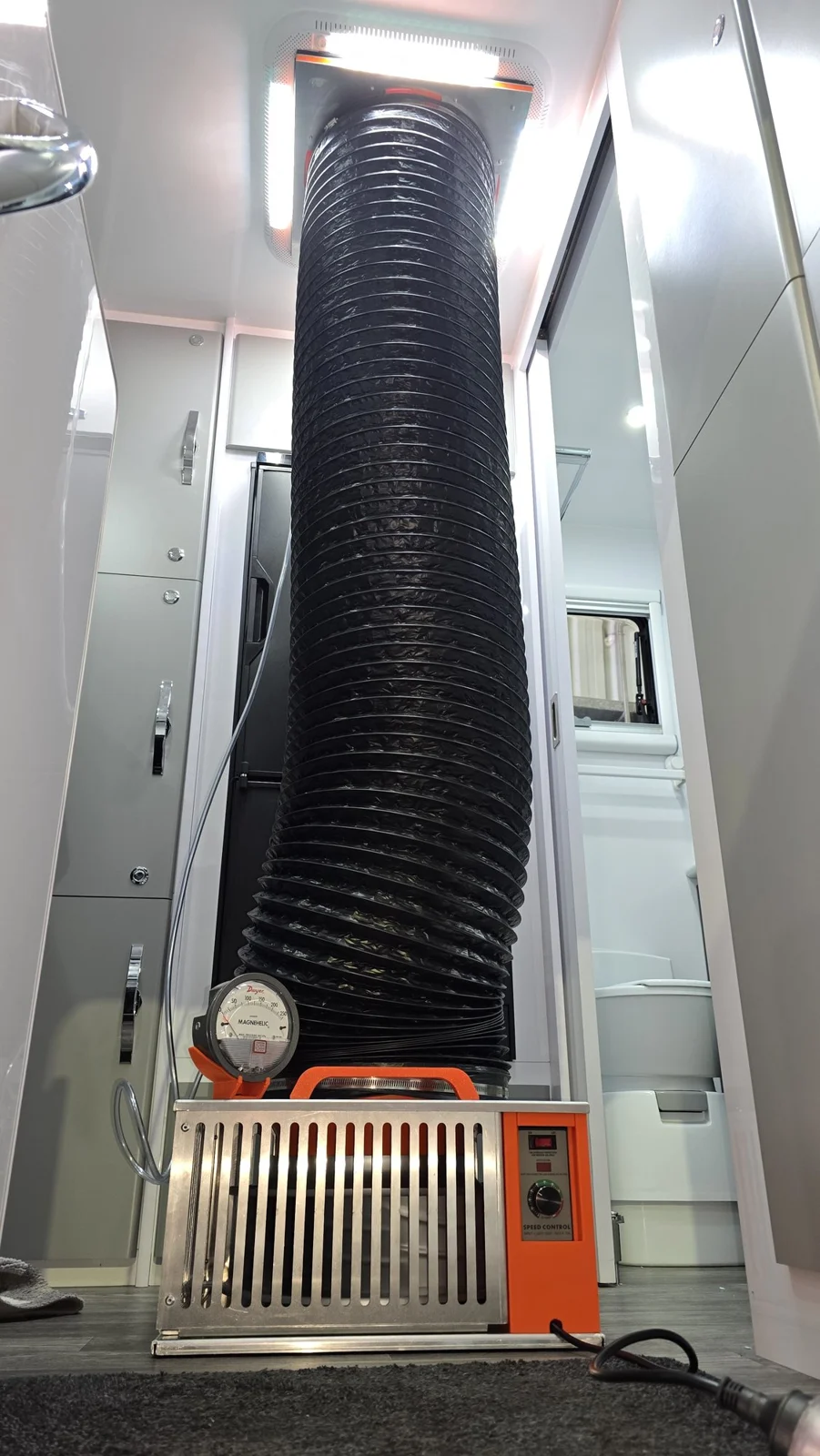
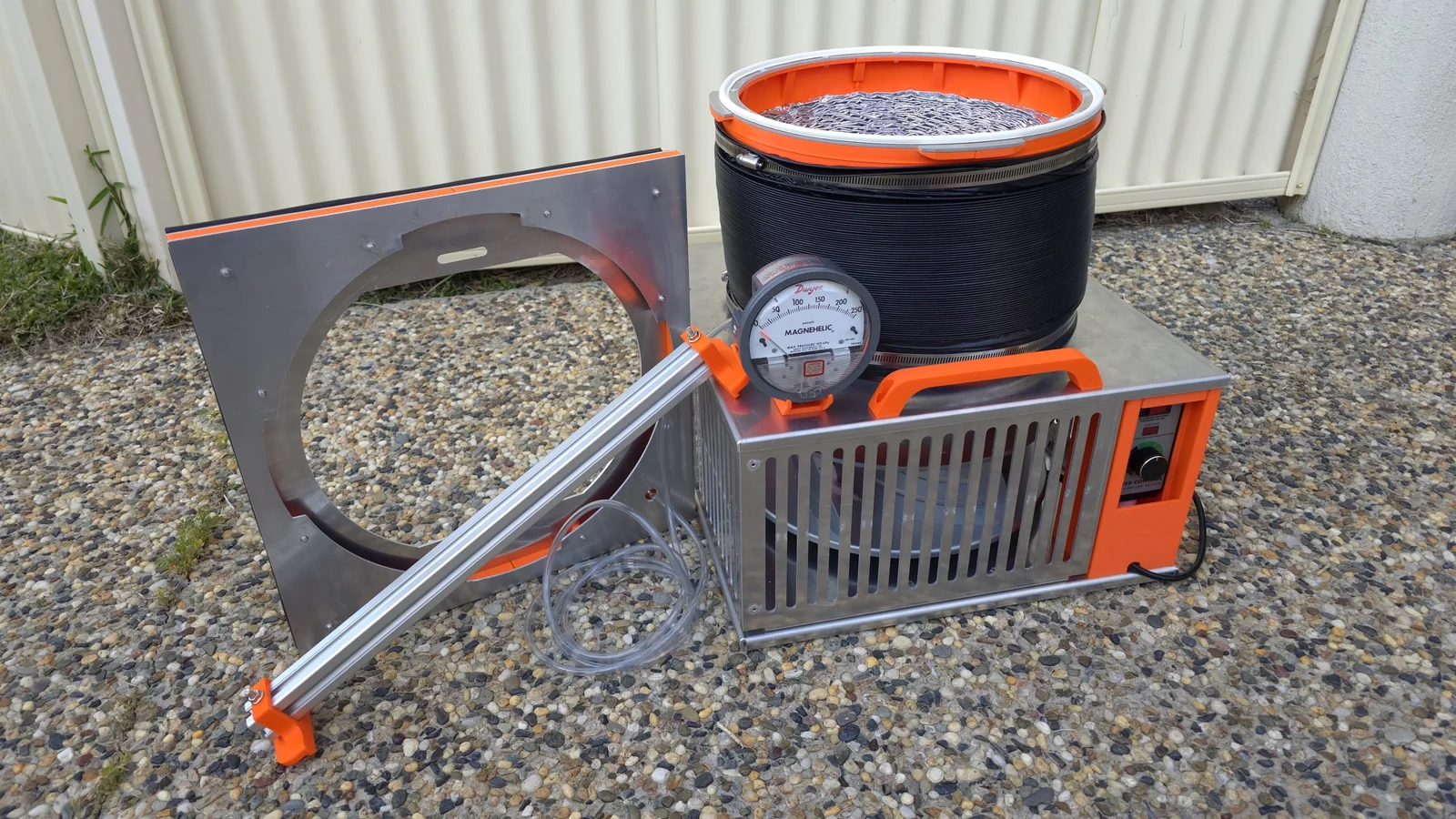
It did the job. A workshop in Forest Glen used it on multiple jobs beside an imported tester, and one technician kept going back to BLOWA because it was lighter and didn’t need a heavy power converter. It’s now in regular use at a workshop in Toowoomba. It also proved that every manufacturing process I needed already exists in Australia.
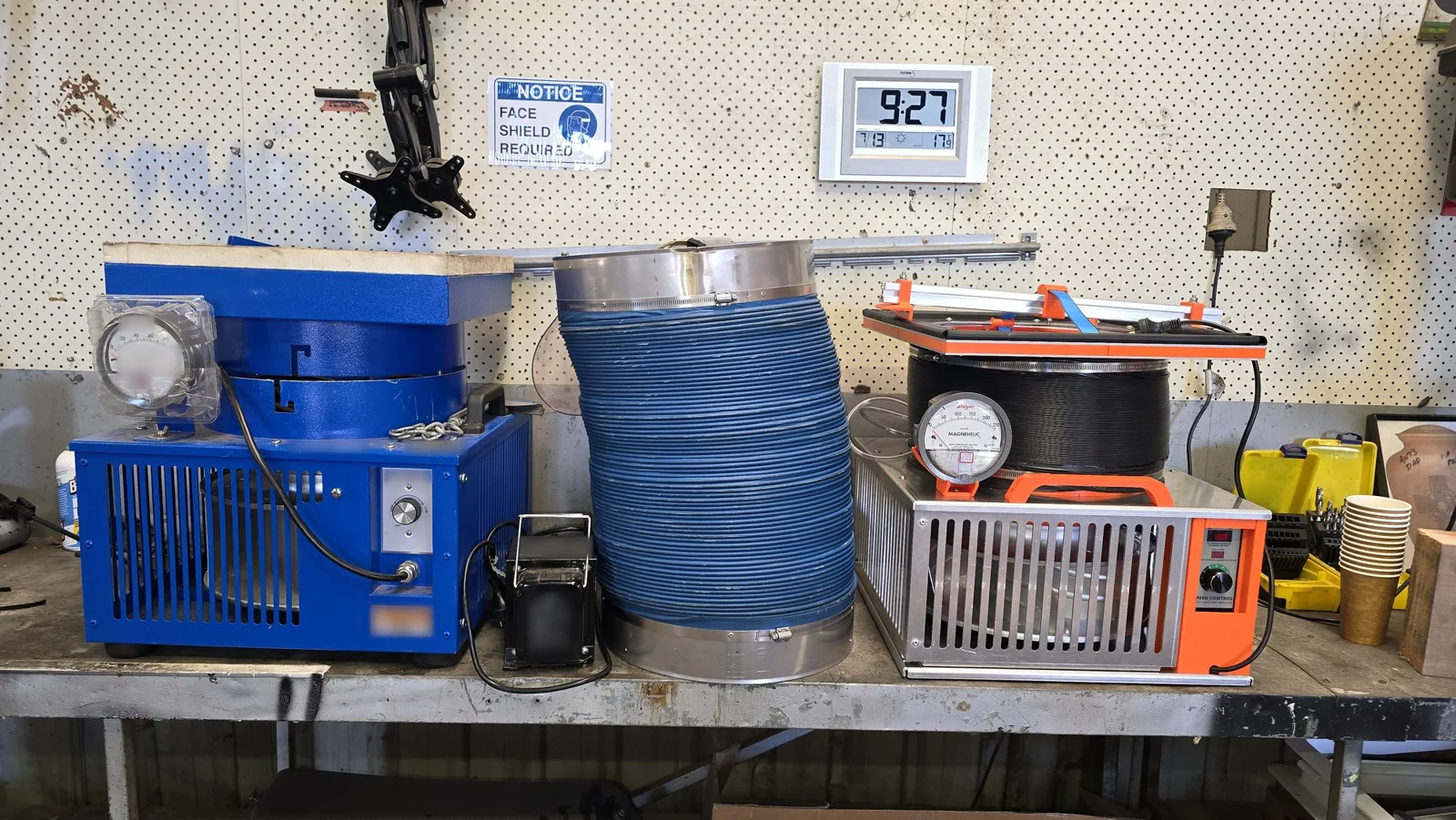
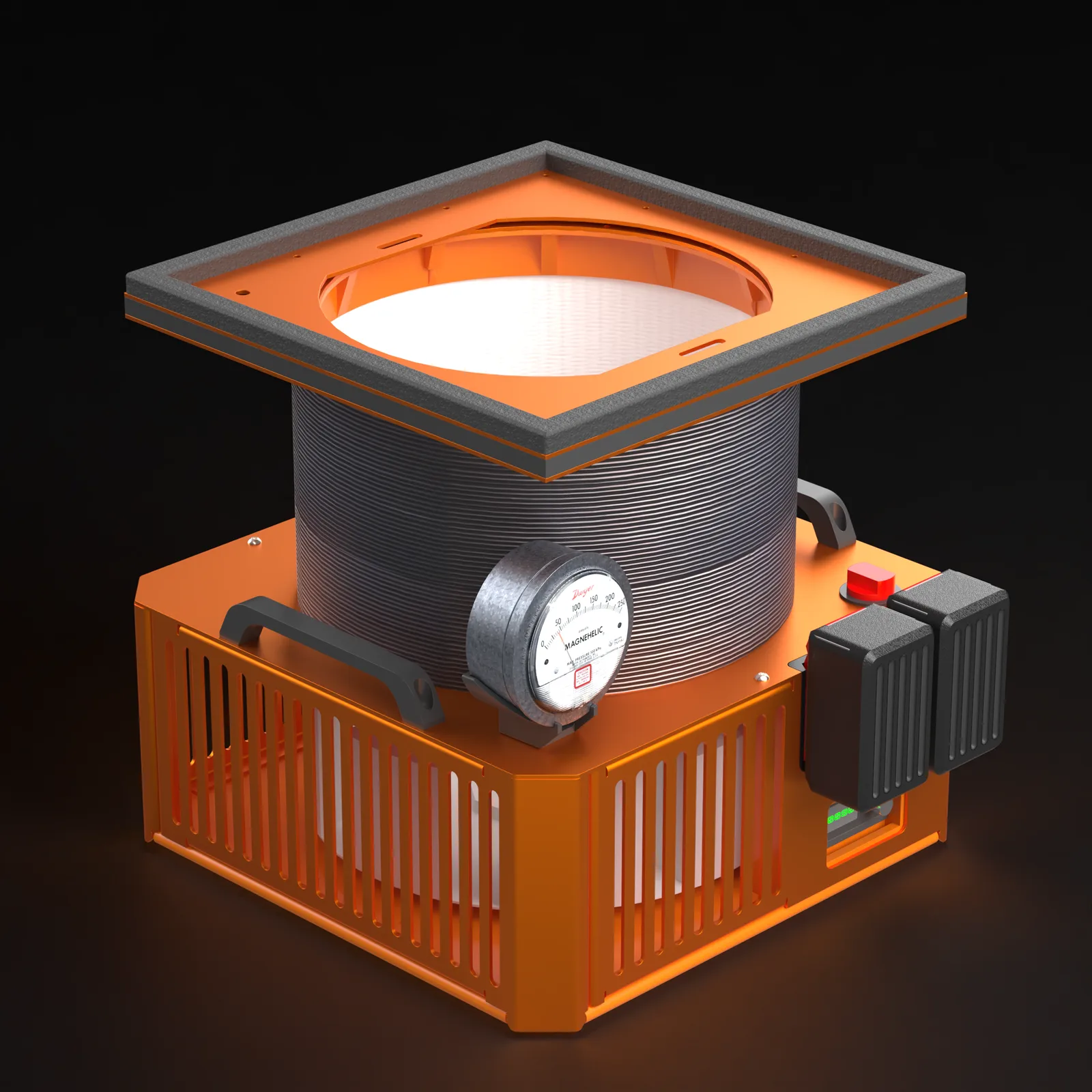
BLOWA’s one big limitation was mains power. V2 fixes that. It’s cordless and built around a brushless DC fan, with a lighter chassis, bevelled corners that take padding, and a heavy-duty isolator switch. It’s designed and made in Australia, backed by a 12-month Australian warranty and supported locally. Read the full BLOWA story.
06 · AIRVARO
What Airvaro is
For workshops, Airvaro makes pressure-testing equipment and software, designed and made in Australia with local support. The Airvaro System is cordless, so it works in the bay or on a mobile job without a lead, generator or converter. As far as I know, it’s the world’s first battery-powered pressure-testing system built specifically for caravans.
The Airvaro Passport App* is free to every workshop, with or without Airvaro hardware. Your team sends findings from the app, and owners open a link to review them and approve repairs. Some caravan warranties and insurance policies make seal maintenance the owner’s responsibility, and the app gives them a record of what you checked and what needs attention.
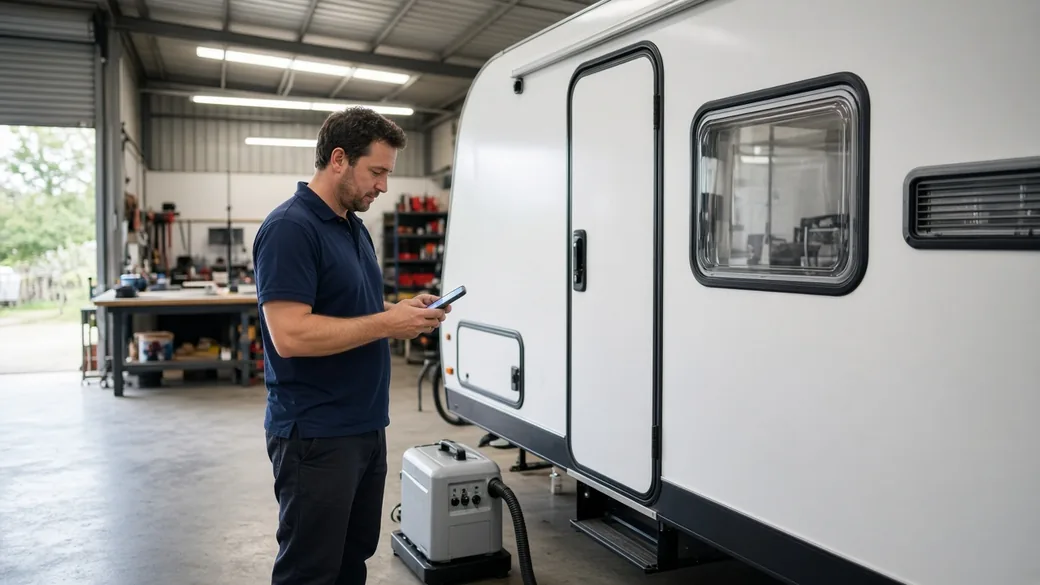
For owners, it means a workshop near you can pressure test your van with Airvaro equipment and give you a dated record of what was checked. The directory of Airvaro workshops is coming soon. Airvaro makes the equipment and the app; caravan workshops do the testing.
*Coming soon.
I also run Zeroflow, a free, independent guide and repairer directory for caravan owners. The Zeroflow independence charter explains how the two are kept separate.